Retos psicopedagógicos para estudiantes universitarios frente al uso de las nuevas tecnologías. Una apuesta necesaria
Abstract
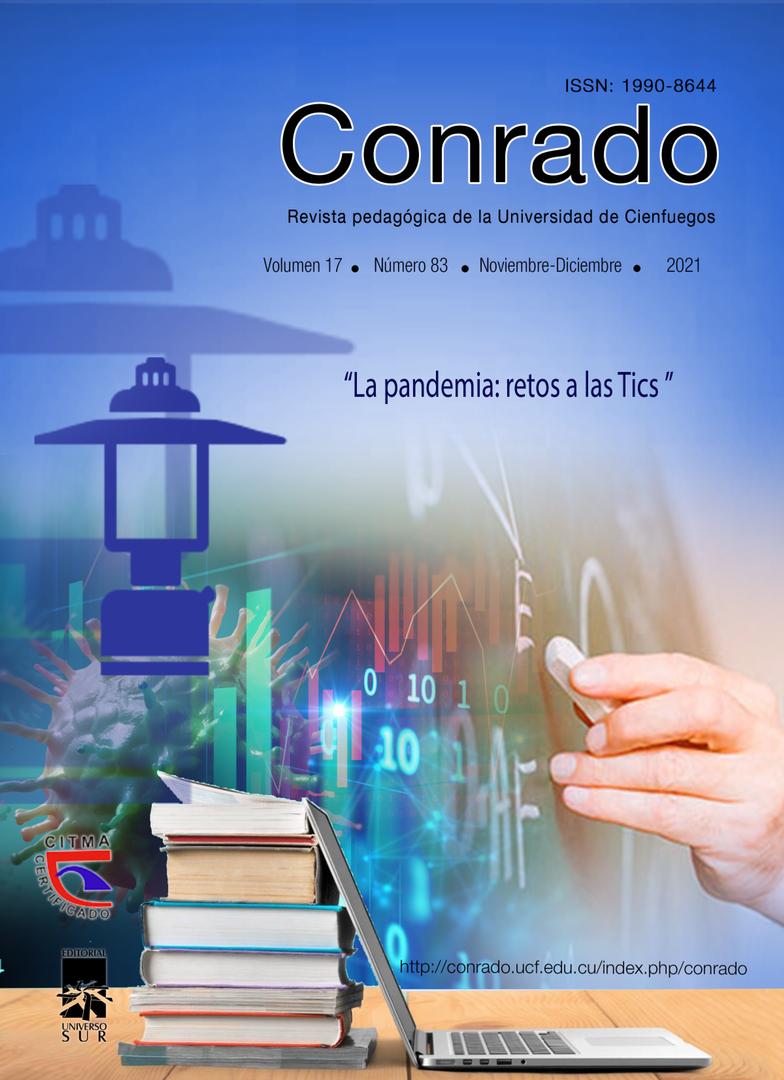
Este artículo de reflexión realiza aportes al alrededor de los posibles retos psicopedagógicos que la educación superior, incluyendo la de carácter virtual, demanda frente a sus estudiantes y entorno al uso de las nuevas tecnologías. Para ello resaltan la manera como el docente sigue siendo un agente del cambio en la formación universitaria, sin desconocer que el estudiante es el protagonista activo de su propio aprendizaje y el llamado a apoyar dichos retos. La universidad debe garantizar la interacción, la cultura empática y el trabajo colaborativo entre los actores educativos. Las implicaciones que tienen las tecnologías en la vocación humana y social, coinciden con los postulados de la educación virtual, generando desafíos a la pedagogía en cuanto a una propuesta de la psicopedagogía frente a las TIC..
Palabras clave:
Psicopedagogía, educación, tecnologías, pedagogía y TIC.
ABSTRACT
This reflection article makes contributions to the possible psychopedagogical challenges that higher education, including the virtual nature, demands from its students and around the use of new technologies. For this, they highlight the way in which the teacher continues to be an agent of change in university education, without ignoring that the student is the active protagonist of their own learning and the call to support these challenges. The university must guarantee interaction, empathic culture and collaborative work among educational actors. The implications that technologies have on the human and social vocation coincide with the postulates of virtual education, generating challenges to pedagogy in terms of a proposal of psychopedagogy in the face of ICT.Keywords:
Psychopedagogy, education, technologies, pedagogy and ICT.Downloads
Downloads
Published
How to Cite
Issue
Section
License
"Universo Sur", the publishing house of the University of Cienfuegos, publishes the Conrado Journal under the Creative Commons Attribution-NonCommercial-NoDerivatives 4.0 International License (CC BY-NC-ND 4.0).
You may share the material for non-commercial purposes, provided that you:
-
Give appropriate credit (authors, journal, article link, and link to this license).
-
Do not create derivative works.
-
Indicate if changes were made.
Authors retain copyright.
Full license text: https://creativecommons.org/licenses/by-nc-nd/4.0/